Is It the Bit… or Is It Us? How Riders Influence Bitting Problems
When something feels wrong in the contact, most of us look straight at the bit.
We start searching things like help with bit fitting, best bit for my horse or bit fitter near me because we assume the metal must be the issue.
Sometimes it is.
But sometimes the bit is simply the place where tension shows up, not where it starts.
Bit Fitting Is Not Just About the Bit
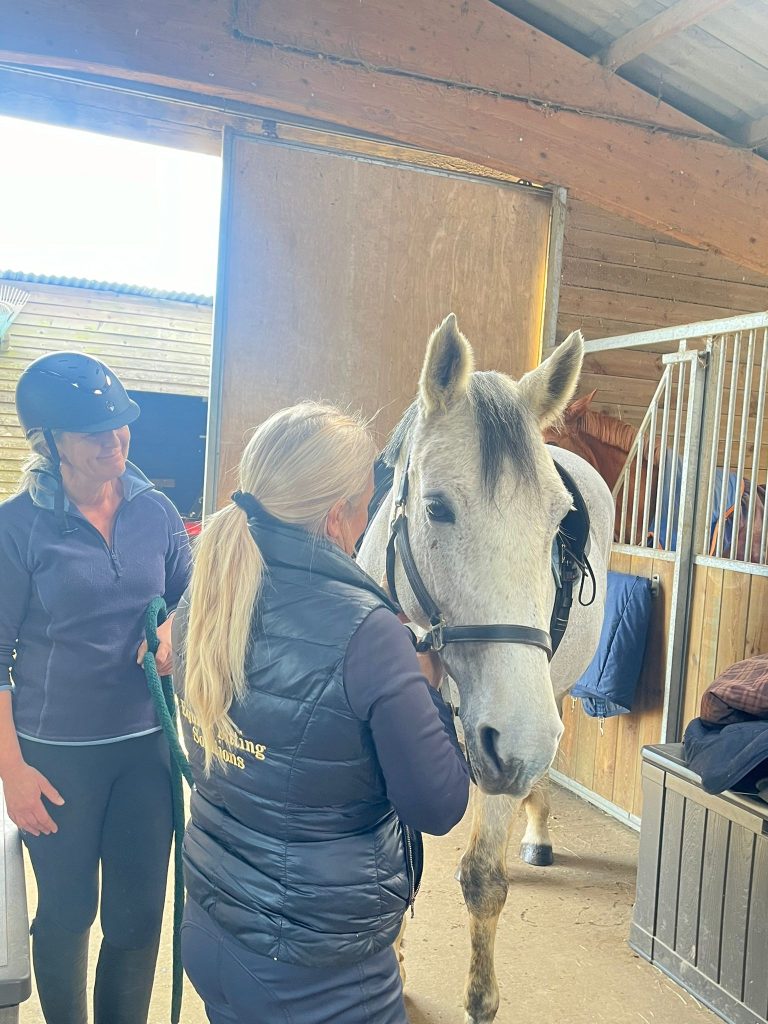
As an experienced bit fitter, one of the most important parts of my bit fitting consultation is watching the rider and how they interact with the horse. Not to criticise. Not to judge. Just to observe the full picture.
Because the rider is part of the system.
A professional horse bitting consultant looks at how the bit interacts with the mouth, but also how the contact is created and maintained. Your bit fitter may notice small changes the rider can make to help the horse to respond better. I offer both mobile bit fitting and a remote service, both allow you to be assessed in your normal riding environment, with the same attention to detail.
Very often, the bit is only one piece of the puzzle.
When a Strong Horse Is Actually an Unbalanced Horse
A horse that feels strong in your hands is not always strong in their body. Many horses that lean heavily are actually weak through their core and hindquarters.
When they struggle to carry themselves correctly, they look for balance in the contact. They lean, brace or fix their neck. The rider feels that weight and instinctively holds more firmly. The horse then leans harder.
From the saddle it feels like strength. From the ground it often looks like imbalance. If your horse has become strong, click HERE for my Bits For a Strong Horse Guide or HERE to read on Kindle
No bit can fix a balance problem on its own. Changing to a stronger bit may temporarily feel effective, but it does not solve the root cause.
This is one of the most common bitting problems seen during a bit fit consultation.
How Rider Hands Influence the Contact
Having good hands matter more than most riders realise.
Some riders ride with very fixed, rigid hands because they are trying to be consistent. Others ride with constant small movements because they are trying to be soft. Some riders may not have their thumbs on the rein, which will make the grip the reins and cause more tension down the rein. All can create instability in the mouth.
A fixed hand can block the horse when they try to step forward into the contact. A busy hand can make certain bits feel unstable, especially loose ring designs, and miscommunication can easily occur.
The horse may respond by tightening the jaw, lifting the head or curling behind the contact.
In many bit fitting sessions, a small change in rider awareness makes as much difference as changing the bit itself. Most horses appreciate a soft elbow, still hand and clear rein aids.
Training, Balance and Common Bitting Problems
Schooling plays a huge part in how a horse feels in the bridle.
If transitions are rushed, the contact becomes abrupt or heavy. If the horse is behind the leg, the rider may hold to create control. If the horse lacks straightness, one rein often carries more weight than the other.
Over time, this uneven pressure shows up as resistance.
Head tossing, leaning, behind the contact, opening the mouth and inconsistent connection are all common bitting problems. But they are not always caused by the bit alone.
The bit becomes the messenger. The cause may lie in balance, strength or rider feel.
The bit becomes the messenger. The cause may lie in balance, strength or rider feel.
By the time riders search for a bit fitter, they are usually feeling frustrated and don’t know what to try next. They may have tried several bits already. They may be questioning their own riding.
A bit fitter will look at the horse, the rider and the equipment together. Ask you many questions about you and your horse, your issues, when they started, how you have tried to help and what your goals are.
Sometimes the solution is a different bit completely. Sometimes it is adjusting cheekpiece stability, changing the noseband or even the browband. Sometimes it is helping with rider awareness.
Often it is a combination of all three.
Do You Need a Horse Bit Fitting?
If you feel like something is not quite right in the contact, trust that instinct.
Bit fitting is not about blame. It is about working out the when, the how and the why so we can help you and our horse have clarity. When the bit suits the horse’s mouth and the rider understands how their contact influences the feel, everything softens.
The horse stops defending. The rider stops fighting. The partnership feels lighter.
If you’re struggling with bit issues you’d like some help and are are based in Kent or the South East we can visit for an in-person appointment. click HERE to book. If you’re based out of our area we offer in-depth remote consultations. Click HERE for more information.
Because the bit is only one part of the conversation. The best results come when we look at the whole picture.